ServicesAcquisition Financing Guidance
Acquisition Financing Guidance in Bastrop
Buying a business is usually a financing decision before it is anything else. We help buyers compare loan structures, seller notes and down payments by what they cost over the full term, so the deal still works in year five, not just at closing.
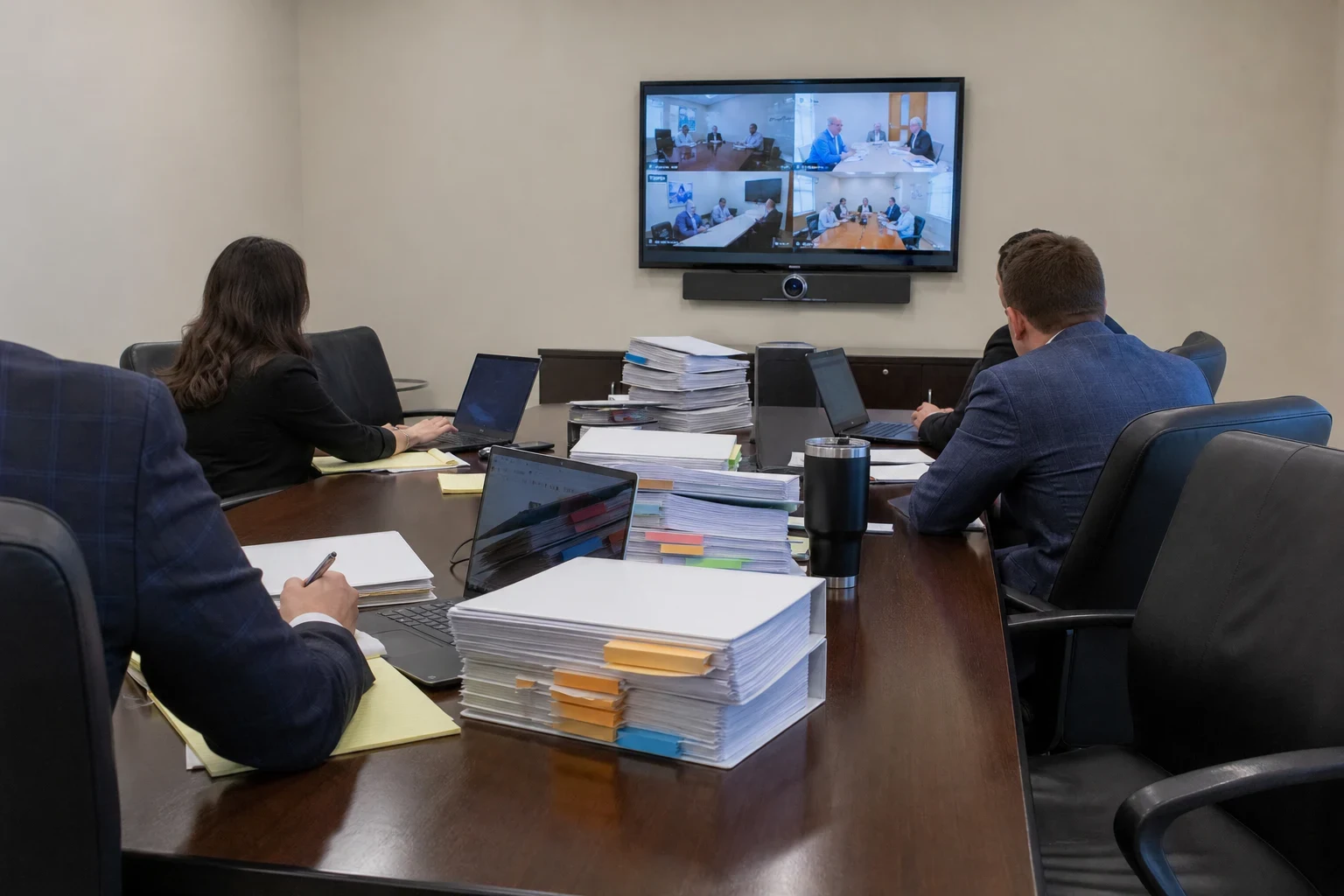
What our financing guidance includes
Small business purchases are usually funded from several sources at once: the buyer's cash, a bank or SBA-backed loan, and frequently a note carried by the seller. Every piece comes with its own rate, term, collateral and covenants. We do not lend. What we do is show you how the pieces fit and how a lender will view the business you plan to buy.
The offer that looks cheapest at closing may not be the cheapest deal. A low-rate, short-term loan can create payments the business's cash flow cannot support. A longer term at a somewhat higher rate can leave room for payroll, equipment and a slow quarter. We set those figures next to each other so you decide on total cost and cash flow rather than on the rate.
It pairs naturally with our buy a business service, and sellers use it as well when deciding whether to finance part of the price themselves.
What we work through with you
Debt service coverage check
We compare the business's adjusted cash flow with the annual loan payments you would owe. Lenders look at this ratio closely, and a thin margin is the most common reason an otherwise good deal gets declined or restructured.
Loan structure comparison
We explain how conventional bank loans, SBA-backed loans and seller financing differ in term length, collateral, personal guarantees and prepayment terms. You see the monthly payment and the total paid over the term for each option.
Seller note terms
A seller note can lower the cash you need at closing and keep the seller invested in a smooth transition. We walk through interest, amortization, standby periods a lender may require, and what happens if the business underperforms.
Lender-ready deal package
Lenders want tax returns, interim financials, a clear explanation of add-backs and a sensible use of funds. We help organize the business's records so the story a lender reads matches the numbers.
Working capital planning
A loan that covers the purchase price but leaves no operating cash creates trouble in the first few months. We help you size working capital into the request from the start.
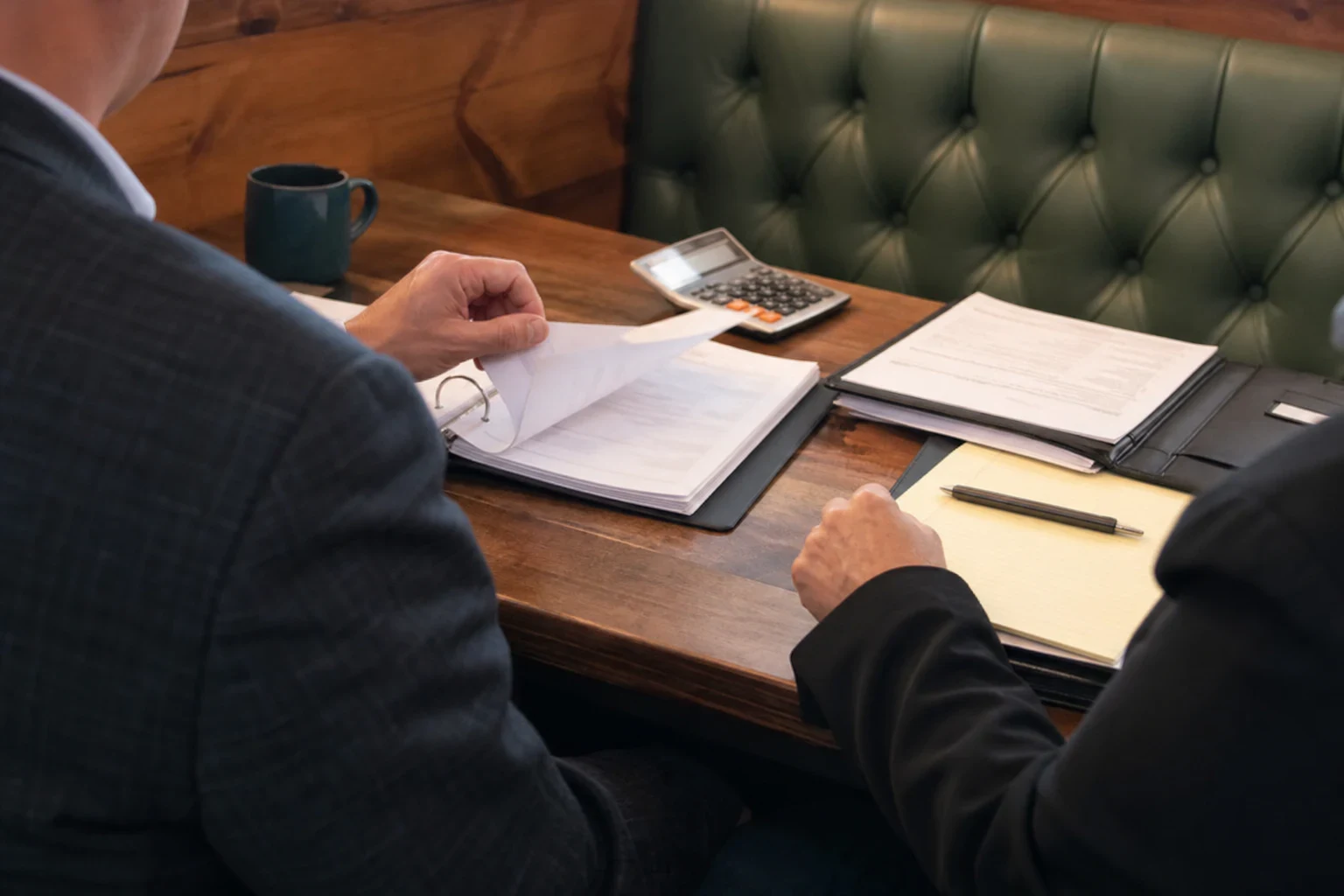
Signs you should get financing guidance before you offer
- You only know the purchase price
- If you have not run the payment, the term and the coverage ratio, you do not yet know whether you can afford the business. Price is one input among several.
- The seller mentions owner financing
- Seller financing can make a deal work, but the terms matter as much as the amount. A note with a short balloon payment can force a refinance at a bad moment.
- The books and the tax returns disagree
- Lenders underwrite largely from tax returns. If reported income is lower than the seller says the business earns, the loan amount you qualify for may be smaller than you expect.
- The deal includes real estate or heavy equipment
- Buildings and equipment change collateral, loan terms and sometimes the whole structure. Purchases that include property often call for a longer term than a business-only loan.
- A lender has already said no
- A decline usually has a specific cause, such as coverage, collateral or documentation. Finding that cause tells you whether to restructure the deal or move on.
How we work through the financing
- 1
First call
We talk about the business you are looking at, your available cash and your experience in the industry. Lenders weigh buyer experience heavily, so we cover it early.
- 2
Review the numbers
We look at the business's tax returns, profit and loss statements and any add-backs the seller claims. From that we estimate the cash flow a lender is likely to accept.
- 3
Model the structures
We build two or more realistic financing scenarios and compare monthly payments, total interest over the term and the cash left in the business each year. This is where the long-term cost becomes visible.
- 4
Prepare for lenders
We help you assemble a clean package and explain what lenders in the Bastrop area and beyond tend to ask for. You apply with your chosen lender; we stay involved as questions come back.
What moves the cost of financing a business purchase
The true cost of an acquisition loan is the total paid over its life, plus what it does to cash flow along the way. A few variables drive most of that number. Our own fee stays out of your math as a buyer: we charge nothing as a retainer, nothing is buried in the fine print, and our pay comes only from a completed sale on the seller's side.
- Interest rate and whether it floats
- Many business acquisition loans carry variable rates tied to a benchmark. A rate that rises over the term can raise payments well after closing, so we test scenarios at higher rates too.
- Loan term
- A longer amortization lowers each payment and raises total interest. For a business with seasonal swings, the lower payment is often worth the added interest.
- Down payment and equity injection
- More cash in reduces the loan and its interest, but draining your reserves can leave the business exposed. We look for the balance that keeps you solvent through a bad month.
- Fees and guarantees
- Guarantee fees, packaging fees and closing costs add to the real price of borrowed money. Lenders also commonly require a personal guarantee, which affects your own risk, not just the deal.
Questions about acquisition financing
- Do you lend money?
- No. We neither make nor approve loans. We explain your financing choices, get the deal ready for lenders and compare offers so you can decide on clear numbers.
- How much cash does buying a business take?
- That turns on the price, the kind of loan and whether the seller holds a note. Lenders generally expect the buyer to invest real equity, and many also want reserves remaining after closing. We work through your own numbers on the first call.
- Does seller financing signal something good or bad?
- Most often good. A seller ready to carry part of the price is showing faith that the business can repay it. You still need to read the terms closely, above all the interest rate, the payment schedule and any balloon payment.
- Can I get a loan if the seller's tax returns show little profit?
- It can happen, but it is tougher. Lenders depend on documented income, and they accept some add-backs and reject others. We help you see what a lender is likely to count before you base an offer on figures that will not survive underwriting.
- Is financing different when buying a franchise?
- To a degree. Lenders often weigh the brand's track record, and the franchisor typically has to approve the incoming owner. Our franchise resales page explains that part of the process more fully.
Check the financing before you commit
Register as a buyer and we will walk through how a purchase would be financed, with the long-term numbers on the table. New listings go to registered buyers first.