ServicesBusiness and Property Sales
Selling a Business With Its Property in Bastrop, TX
If your company owns the building or land it operates from, the sale covers two assets that are priced, financed and taxed in different ways. We value each separately, show how a sale or a lease of the property works out over the years, and market the deal in confidence.
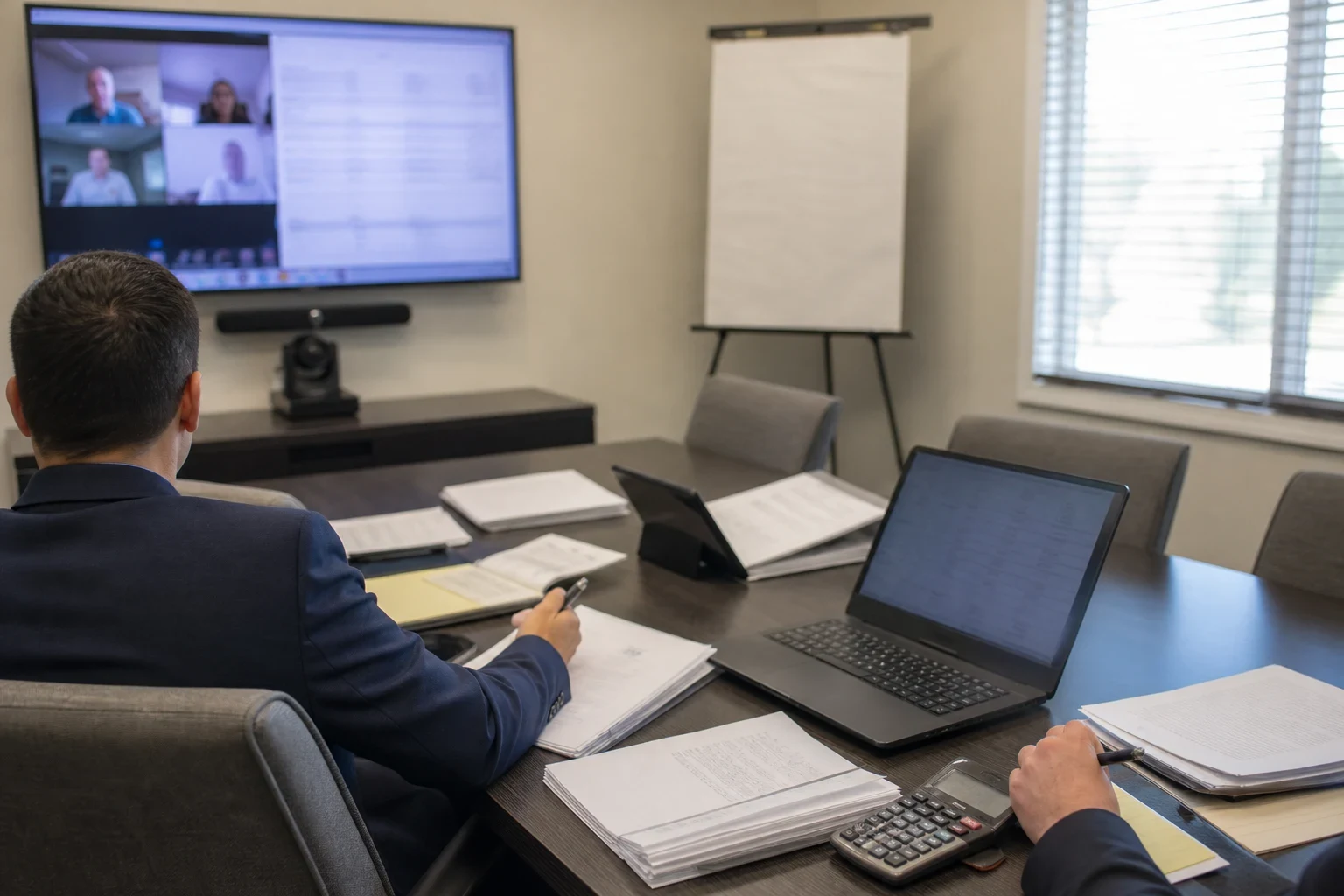
Two Assets, One Closing
A business valuation and a real estate appraisal answer different questions. The business is priced on what it earns for an owner, usually seller's discretionary earnings or EBITDA multiplied by a market-supported figure. The property is priced on comparable sales, replacement cost or the rent it could command. Blending them into one asking price hides which asset carries the number, and a buyer's lender will separate them anyway.
The larger decision is often whether to sell the real estate at all. A lump sum at closing is clean. A long-term lease to the buyer can pay you rent for years and leave you holding an appreciating asset, but it also leaves you responsible for the roof, the parking lot and the property taxes. We put both paths side by side with upkeep and tenant risk counted, so the choice still holds up a decade after closing.
We work with owners in Bastrop and nearby towns such as Smithville, Elgin and Cedar Creek, at our office or by phone and video.
What We Handle in a Combined Sale
Separate prices for business and property
We build the business figure from adjusted financials and pair it with a real estate figure from an appraisal or broker opinion. A clear split also gives your CPA what they need to plan the purchase price allocation.
Sale, lease and option comparison
We model an outright sale against a lease to the buyer and a lease with a purchase option. Each scenario shows cash at closing, rent over the term and your carrying costs as a landlord.
Property condition file
Roof age, HVAC units, paving, accessibility items, and septic or well systems where a site is off city utilities. Gathering this up front lets buyers price the building on facts instead of worst-case guesses during due diligence.
Lender-ready package
SBA 7(a) and 504 lenders commonly finance owner-occupied real estate together with a business. We assemble the financials, property details and proposed lease terms they ask for. Our Acquisition Financing Guidance page covers this side in more depth.
Confidential marketing
Your listing goes out without your company name, and buyers sign a nondisclosure agreement before seeing details. New listings go to registered buyers first.
Coordinated closing
We work with the title company, surveyor and both attorneys so the deed and the business transfer close on the same date.
Signs the Property Is Part of Your Sale
The company owns the building
When the real estate is held by your business or a related LLC, the deal must account for it: sell it, lease it or take it out before closing.
You want income after the exit
Holding the property and leasing it to the buyer can turn a single payout into rent each month. This works best when the building still has many useful years ahead.
Large upkeep costs are on the way
An aging roof or worn rooftop units will turn up during inspection. You can address them before listing or build them into the price, and we help you judge which costs less in the end.
A buyer has asked about the building
Serious buyers and their lenders want control of the site. If the topic has come up, having a clear plan for the property keeps talks going.
The Steps in a Business and Property Sale
- 1
Private first talk
We find out what you own, how the property's title is held and what you want out of the sale. At this point nothing goes to anyone.
- 2
Value both assets
We finish the business valuation, arrange the real estate appraisal or estimate, and go over leases, liens and the condition file.
- 3
Pick the structure
With the sale, lease and option comparison in hand, you choose the route that suits your timing and income needs. The asking price and terms follow from that choice.
- 4
Market and screen buyers
We show the deal to registered buyers, check that they can pay, and confirm a lender's interest in the real estate before you spend time on any buyer.
- 5
Diligence and closing
We follow the inspections, appraisal, environmental review and title work so the two transfers close at the same time.
What Shapes the Price and What You Take Home
Two numbers count: what the deal pays you and what it costs to get it done. Listing with us has no up-front cost and no retainer, and every fee is written out before you sign, since our commission is taken from the proceeds only once your sale closes. The factors below drive the sale price and how much of it survives to closing.
- Earnings a buyer can confirm
- When tax returns line up with your profit and loss statements, the multiple goes up. Add-backs must be documented, or lenders mark them down.
- Condition and lifespan of the building
- Buyers weigh the cost of upkeep for the years they will own the building, not just today. Postponed maintenance turns into a lower price or a credit at closing.
- Past environmental use
- Sites that have housed auto service shops, fuel sales, dry cleaners or certain manufacturing often call for a Phase I environmental site assessment. What it finds can add time and conditions to the sale.
- Deal structure and financing
- A buyer purchasing the property, leasing it or using seller financing each changes your cash at closing, your risk and your return over time.
- Zoning and allowed uses
- Zoning that permits a broader range of uses can attract buyers from outside your industry, which helps hold up the real estate price.
Common Questions When the Property Is Part of the Sale
Something not covered here? (512) 551-1187
Is it better to sell the building or lease it to the buyer?
That hinges on how many years the building has left, whether you want to be a landlord and how much cash you need at closing. Leasing can pay well over time, but the capital costs stay with you, along with the risk of a tenant who falls behind. We model each path so you can compare real figures.
Can one loan cover both the business and the real estate?
In many cases, yes. Buyers often use SBA 7(a) and 504 programs for owner-occupied property purchased along with a business, and lenders base the loan on the earnings and the appraisal together. We put together the package those lenders look for.
Is a separate property appraisal needed?
The buyer's lender orders its own appraisal. Getting a value estimate early keeps your asking price grounded, so the appraisal does not trigger renegotiation near the end.
How do you keep things quiet when the building is easy to spot?
We describe the property by its type and general location, never its address, and share specifics only with buyers who have signed a nondisclosure agreement and proven they can afford the purchase.
What if my property sits in a different LLC than the business?
That setup is common and generally helps. It simplifies a lease and keeps the two transfers separate. We work with your attorney so each entity signs the correct documents at closing.
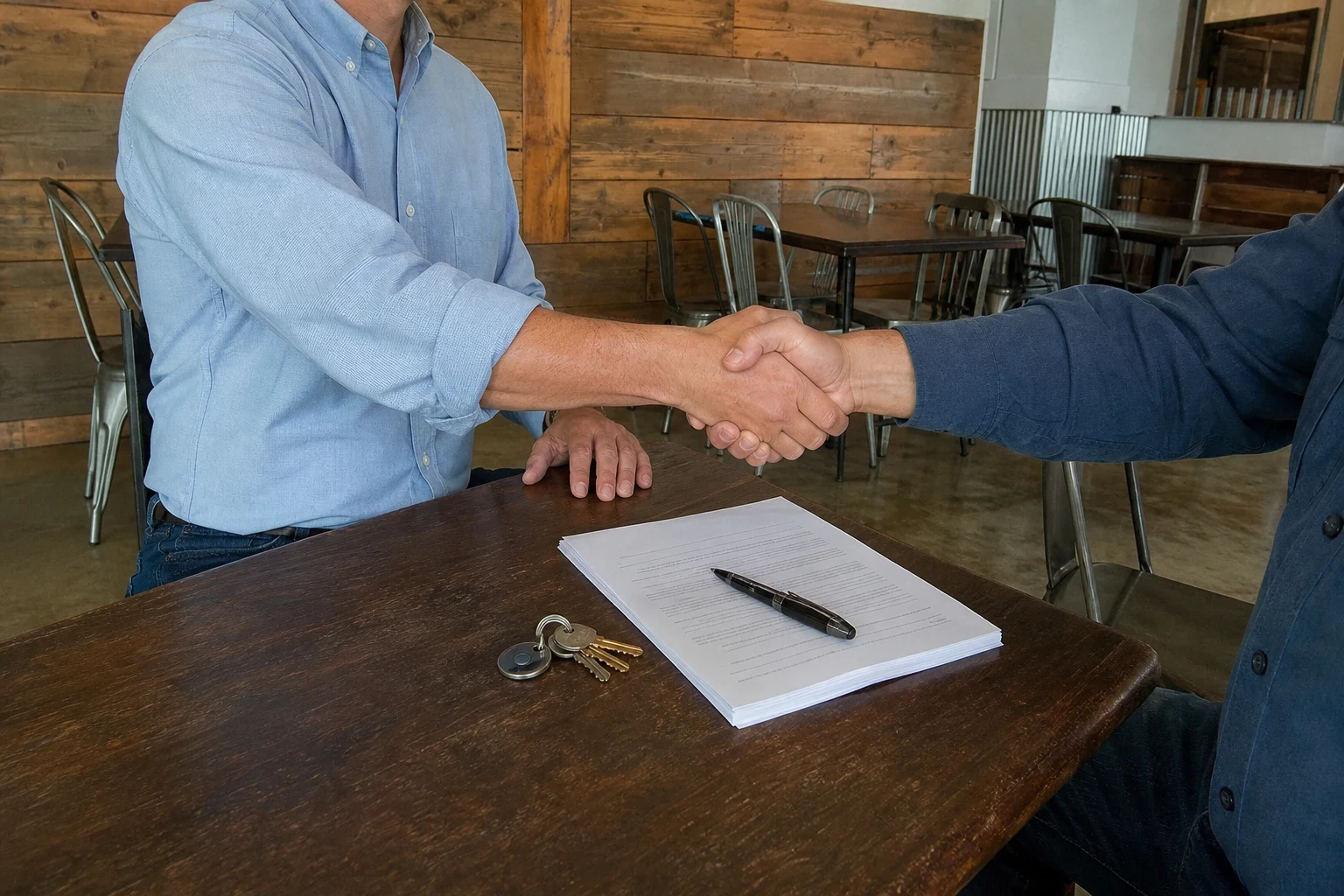
Learn What Your Business and Building Are Worth
Let us know what you own and what you hope to get from the sale. We will lay out your options and arrange a free, confidential valuation.