ServicesSell a Business
Sell a Business in Bastrop
We help business owners sell to qualified buyers without tipping off staff, customers or competitors. Your price is built from recorded earnings, and every buyer is screened before they learn your name. Listing costs you nothing at the start; our fee comes only from a sale that closes.

What selling through a broker actually involves
Selling a business is a transfer of cash flow. A buyer pays today for earnings they expect to collect for years, so the price rests on how believable and how durable those earnings look. Our job is to document them, present them to the right buyers and hold the deal together through due diligence, financing and closing.
Durability drives most of our advice. A company with five years left on its lease, equipment with useful life remaining and customers who are not tied to the owner personally will draw stronger offers than one with the same profit and a lease expiring next spring. We weigh the headline price against what the terms are worth over time, including any seller note, earnout or consulting period, so the offer you accept still looks right years after closing.
Our sellers run service companies, retail shops, trades and light industrial operations around Bastrop, Elgin and Smithville. We sit down with you at our office or talk by phone and video, so no one at your shop ever sees a broker walk through the door.
What we take care of when you list
- Recasting earnings and setting the price
- We rework your profit and loss into seller's discretionary earnings, adding back your salary, one-time costs and personal expenses paid by the company. Each add-back is linked to a record a buyer's lender can verify. That figure sets the asking price, not a rule of thumb.
- Confidential listing materials
- We prepare a blind listing that describes the business without naming it, along with a confidential information memorandum that goes only to buyers who have signed. Registered buyers see new listings first.
- Screening buyers
- No buyer learns your name until they sign a nondisclosure agreement and show proof of funds or a believable way to finance the deal. We also ask about their industry experience, since an SBA lender will.
- Comparing offers and terms
- We set every letter of intent next to the others: cash at closing, seller note, earnout, inventory, working capital and transition period. Two offers at the same price can look very different once laid out this way.
- Managing due diligence and closing
- We put the documents in order, keep track of what the buyer requests and keep your CPA, attorney, the lender and the landlord moving on the lease assignment so no deadline slips.
Signs it is time to start the sale process
Retirement is a few years out
Lenders and buyers lean on the last two to three years of tax returns. Starting early gives you time to clean up the books before anyone reads them. Our Exit Planning work covers that runway.
Your lease is getting short
Remaining lease term is one of the first things a lender checks. Selling before it runs low, or securing an extension with assignment rights, protects your price.
Numbers are steady but you are tired
Buyers pay most for a business that is flat or growing. Selling while revenue holds is usually worth more than waiting until it slips.
Someone called with an offer
A single unsolicited offer gives you nothing to compare it to. We can value the business and quietly test the market before you answer.
Major equipment is near end of life
A buyer will subtract the cost of a fleet, kitchen line or press they must replace soon. Knowing that before listing lets you decide whether to replace first or price it in.
The path of a sale, from the first call to closing day
- 1
Free, confidential valuation
We go through three years of returns, current financials, your lease and a list of equipment, then show you a probable price range with the math laid out. Listing afterward is completely up to you.
- 2
Signing on and building the package
When you choose to sell, we sign the listing agreement, recast your financials and prepare the blind listing and memorandum. Nothing goes out until you have approved each page.
- 3
Marketing and meeting buyers
Registered buyers see the listing first. We screen every inquiry and set up calls or meetings with the serious ones, typically after hours or away from the business.
- 4
Letter of intent and buyer review
After you accept an offer, the buyer checks the financials, contracts, permits and equipment. The lender usually orders its own valuation during this stage.
- 5
Closing and handoff
The attorneys complete the purchase agreement, the money passes through escrow, and you start the agreed training period with the buyer.
What shapes your costs and your sale price
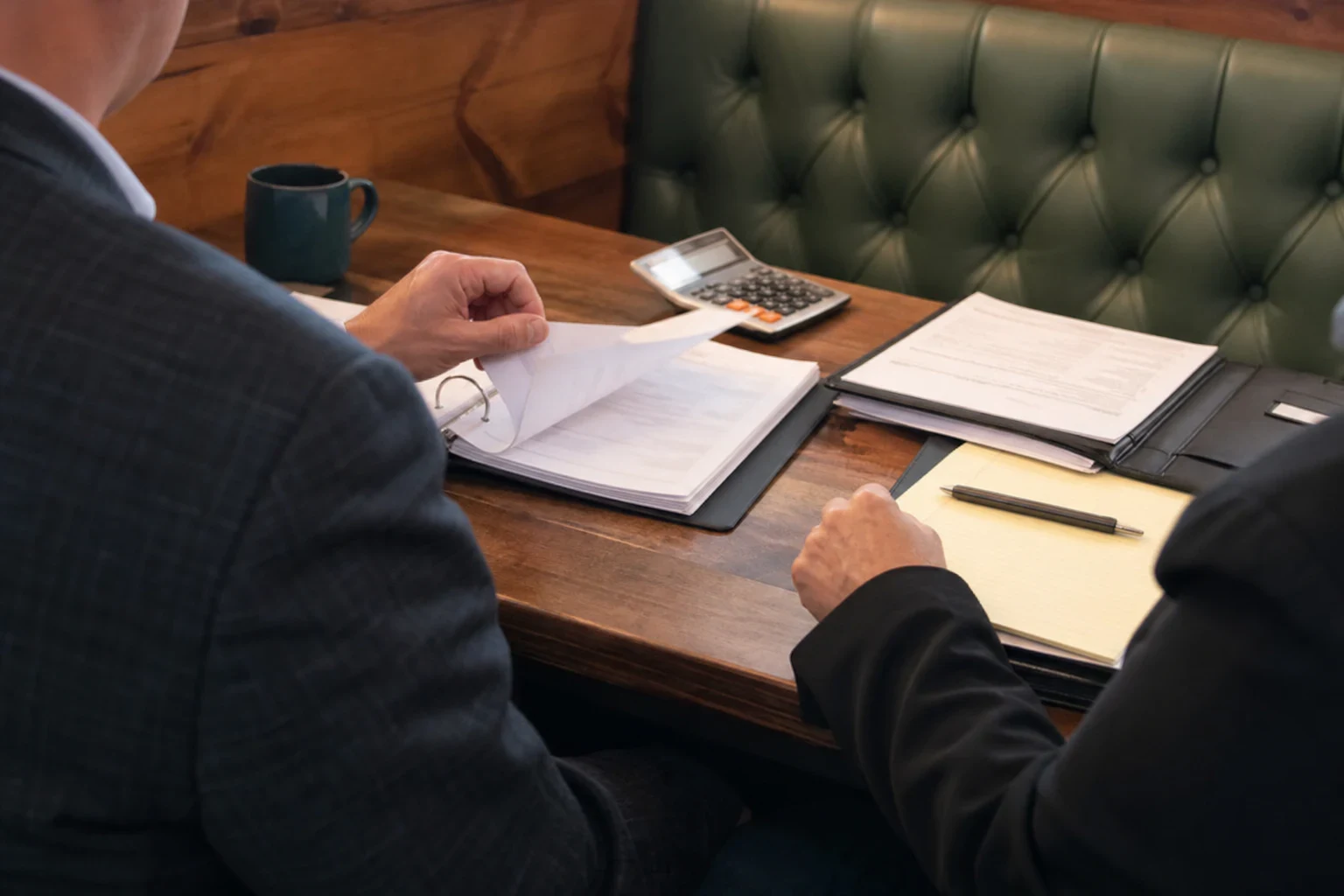
Nothing is due when you list. You sign no retainer, and no fee is tucked into the documents. We earn a success fee out of the closing proceeds, so a sale that never closes pays us nothing, and we put that fee in writing before you sign. Your net from the sale depends on the factors below.
- How clean the books are
- Records that reconcile with your tax returns support a stronger multiple and quicker lender approval. Personal and business costs mixed together slow things down and often lower the price.
- Reliance on you
- When important customers, vendor terms or permits depend on you personally, buyers either cut the price or want a longer transition and an earnout.
- How the deal is set up
- All-cash, SBA-financed and seller-financed deals each leave you a different amount at closing and in later years. Taxes change too, based on how the price is split among equipment, goodwill and a noncompete, so bring your CPA in.
- Property and inventory
- If you own the building, it adds its own piece to pricing and financing, explained under Business and Property Sales. Inventory is normally counted at closing and added at cost.
What sellers ask us most
Something not covered here? (512) 551-1187
Will my staff learn that I am selling?
Not through us. The listing leaves out your company name, buyers sign an NDA before seeing details, and visits take place after hours. Most owners tell employees when closing is near, and we help you prepare for that talk.
How long does a small business take to sell?
After the listing is live, a typical small-company sale takes from a few months to roughly a year. Clean books, a sensible price and an assignable lease all speed things up. Most delays we see come from lender approval and the landlord's consent to the lease.
Will I need to stay after closing?
Usually for a brief transition. Buyers and SBA lenders expect you to help with training, and the length is written into the letter of intent. Longer involvement is normally paid as consulting.
What happens if none of the offers suit me?
You never have to accept an offer. We will explain what the market's response points to, whether that means adjusting the price, cleaning up the financials or waiting a year to try again.
Is a valuation worth getting before I decide?
Yes. A business valuation shows roughly what the company is worth now and what is holding the figure back. It costs nothing, stays confidential and does not commit you to anything.
Find out what your business would sell for
Start with a confidential conversation by phone. We will ask a few questions about revenue, your lease and staff, then set a time to review your numbers.