ServicesBuy a Business
Buy a Business in Bastrop
We show you current listings and help you test each one before you commit. That means verified cash flow, the real age of the equipment, the years left on the lease, and what the business will cost to keep running after the price is paid.
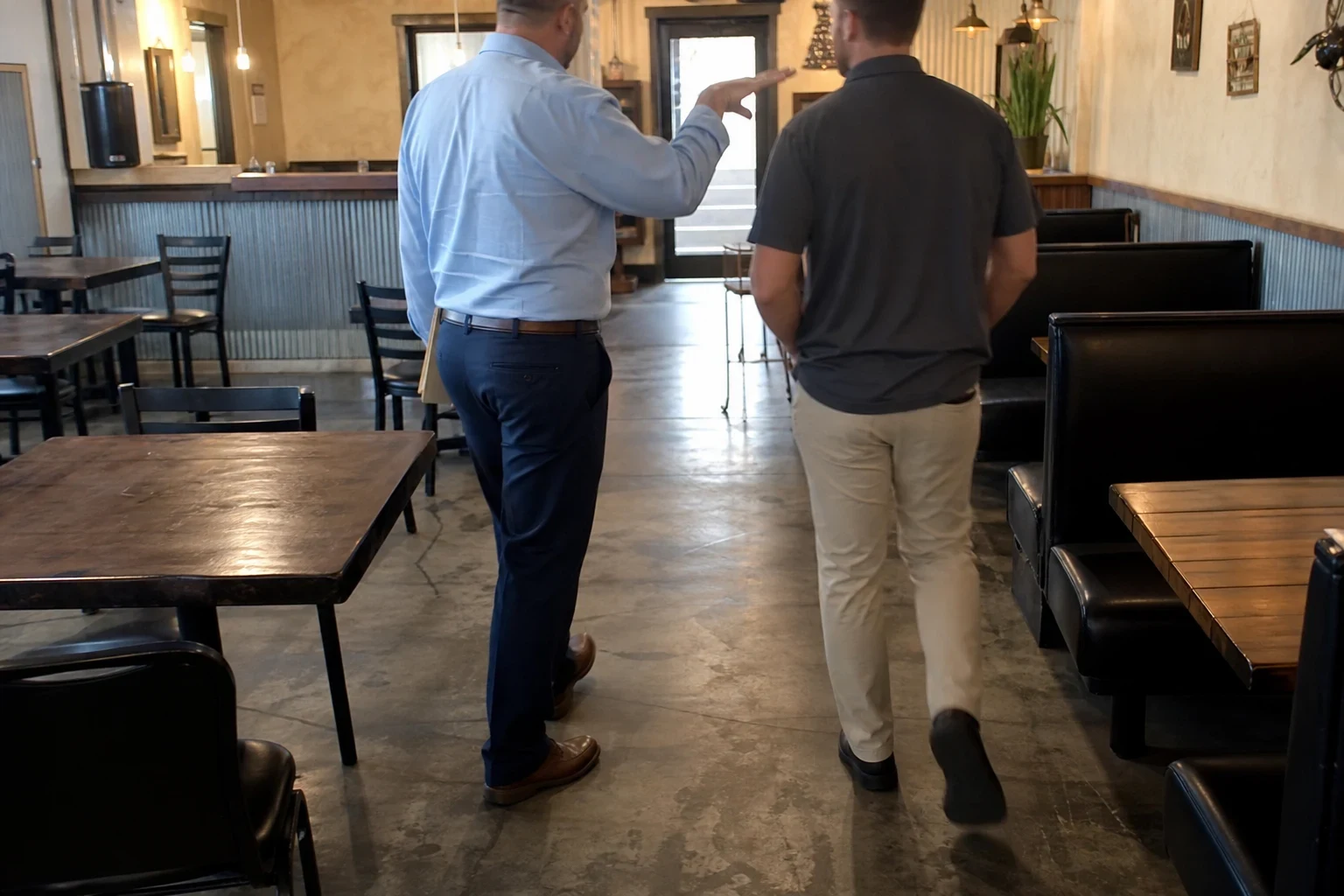
What You Are Really Paying For
When you buy an established business, you pay today for cash flow you expect to collect for years. The asking price only makes sense if that cash flow lasts. We look at what holds it up: how old the ovens, trucks or software are, how many years remain on the lease, how much revenue depends on a handful of customers, and which jobs the current owner does personally that you will have to cover or hire for.
A business with a lower price and worn-out equipment can cost more over five years than a pricier one with a new roof, a long lease and a trained staff. We put those numbers side by side so your offer reflects the whole picture, not just the multiple on the listing sheet.
We work from our office or by phone and video. New listings reach registered buyers before anyone else sees them. Our fee comes out of the seller's proceeds once a deal closes, so looking costs you nothing: no retainer up front and no charges tucked into the paperwork later.
How We Help You Buy
First look at listings
New listings go to registered buyers first. After you sign a confidentiality agreement, you get the seller's summary, financials and the reason for the sale.
Checking the seller's earnings
Most small businesses are priced on seller's discretionary earnings, or SDE. We walk through each add-back, such as the owner's salary, a personal vehicle or one-time legal fees, and compare the profit and loss statement against the tax returns. An add-back that does not hold up lowers what the business is worth to you.
Equipment life and upkeep
We list the major assets, their age and their expected remaining life. If a walk-in cooler, a compressor or a delivery van will need replacing in the next two years, that cost belongs in your offer.
Lease and transfer review
We check the remaining lease term, renewal options, rent escalations and whether the landlord must consent to an assignment. We also flag permits, licenses and vendor contracts that do not transfer automatically.
Offer structure
We help you frame a letter of intent: asset or stock purchase, how the price is allocated, working capital and inventory at closing, any seller note, a non-compete and the length of the owner's training period.
Signs You Should Bring In a Broker
Listings come without financials
If sellers will not share tax returns or a profit and loss statement, you cannot price the deal. We get that information released under a confidentiality agreement.
You cannot check the asking price
A price quoted as a multiple of earnings means little until the earnings are verified. A Business Valuation approach helps you test the number.
You plan to borrow
Lenders want clean financials, a clear purchase agreement and proof of your cash injection. Our Acquisition Financing Guidance covers how to put that package together.
The business must replace your salary
If you are leaving a paycheck, the business has to support you from the first month, after debt payments and reinvestment.
You are weighing a franchise
Franchise fees, royalties and remodel requirements change the long-term math. See our Franchise Resales page for how those deals differ.
From First Call to Closing
- 1
Buyer registration call
We talk through your budget, liquid capital, industry interests, experience and timeline. Registration is free, and it puts you first in line for new listings.
- 2
Confidentiality and review
You sign a confidentiality agreement for any listing that fits. We send the financials and go over SDE, add-backs and asset condition with you.
- 3
Seller meeting and site visit
Visits are often set after hours so employees and customers are not alerted. You see the equipment, the space and how the owner runs the day.
- 4
Letter of intent and due diligence
Once the seller accepts your letter of intent, you get a defined window to verify bank statements, contracts, payroll and inventory with your CPA and attorney.
- 5
Financing and closing
We coordinate with your lender, the landlord and the closing agent. After closing, the seller's training period begins so customers and staff stay with the business.
What Moves Your Total Cost
Your true cost is the purchase price plus what it takes to keep the business producing for the years you own it. Two businesses with the same price can need very different amounts of cash after closing. These are the items we price out with you before you sign.
- Price and deal structure
- Your down payment, any bank loan and any seller note set your monthly debt payments. A seller note can lower the cash you need at closing.
- Asset condition
- Older vehicles, kitchen equipment or machinery may need replacing soon after you take over. We estimate that timing so it is part of the price discussion.
- Working capital and inventory
- Inventory is usually counted at closing and may be added to the price. You also need cash on hand for payroll and supplies before receivables come in.
- Lease terms
- Rent increases, a short remaining term or a landlord who wants a personal guarantee all affect what the location will cost you over time.
- Professional fees
- Plan for your CPA, attorney and lender fees during due diligence and closing.
What Buyers Usually Want to Know
Something not covered here? (512) 551-1187
Is there a charge to see your listings?
No. Buyer registration is free. We are paid by the seller, and only once a sale has closed. Nobody asks you for a retainer, and no unexpected fees appear at the finish.
What amount of cash does buying a business take?
That comes down to the price and the financing. Most lenders want you to put in cash of your own and keep reserves for working capital. When you call to register, we line up listings with the capital you really have.
Why does a seller hold back the numbers at first?
News of a sale can push employees to quit and invite competitors to chase customers. The seller is protected by a confidentiality agreement, and after you sign it, the full financials are yours to review.
Is it better to buy the assets or the stock?
Most small deals are structured as asset purchases, which keep old liabilities with the seller and often bring better tax treatment on equipment. A stock purchase can fit when licenses or contracts will not transfer. Your CPA and attorney should give their view, and we build the offer around what they advise.
Do you help with businesses beyond Bastrop?
We do. Our buyers search the nearby area too, including Elgin, Smithville and Cedar Creek, and we meet at our office or by phone and video.
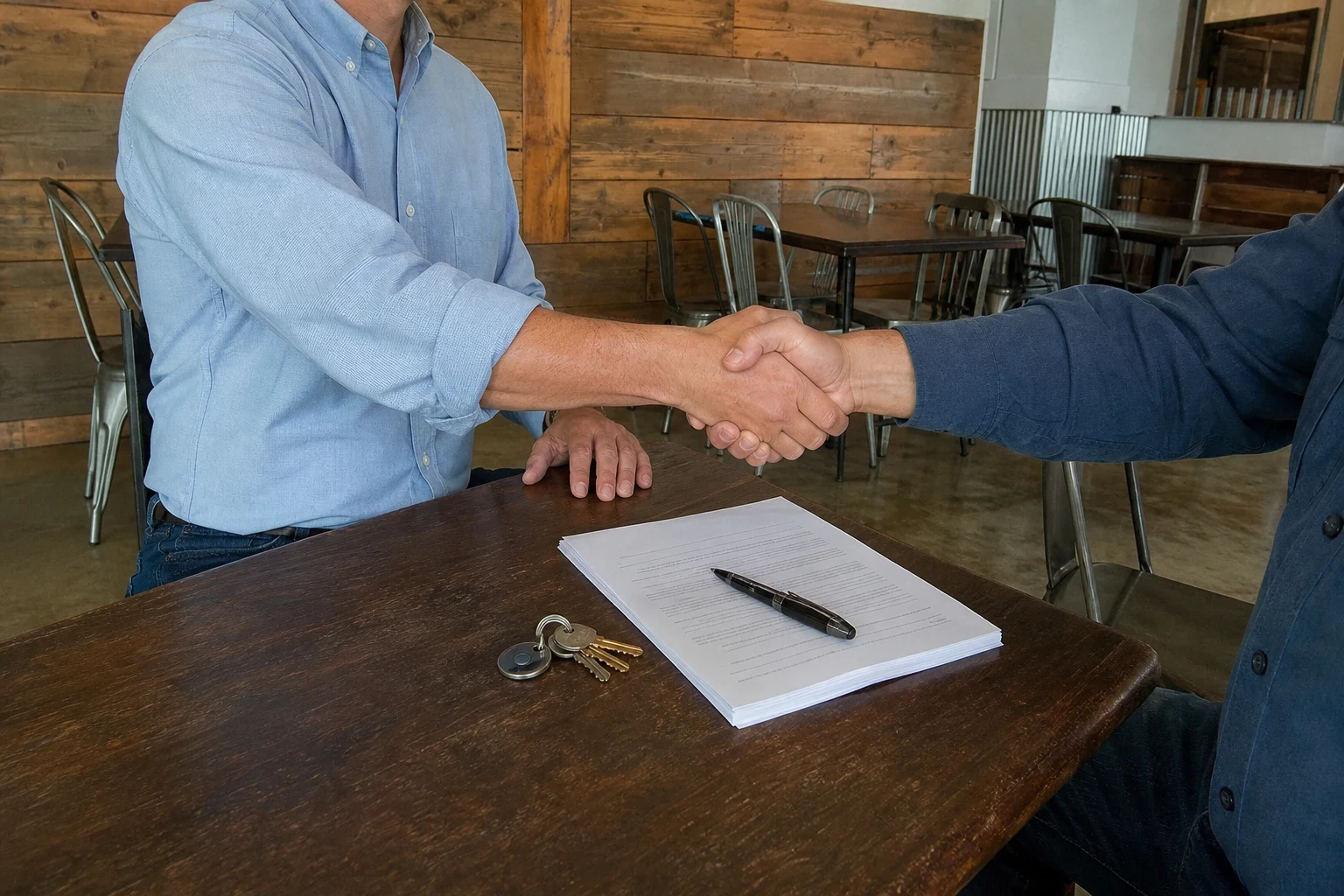
See New Listings Before Anyone Else
Let us know the kind of business you want and how much you can put in. We will add you to our buyer list and send fitting listings as they arrive.